When a Camera Stops Being a Tool and Becomes a Cultural Artifact
In the world of photography, cameras are tools.
In the world of collecting, some cameras become something else entirely.
And occasionally, a camera becomes history.
That is precisely what happened when the Leica M-A no. 5000000 “Pope Francis” crossed the block at the 47th Leitz Photographica Auction in Vienna. The hammer fell at €6.5 million (roughly $7.5 million) — nearly 100 times the estimate of €60,000–70,000.
For context, a standard Leica M-A sells new for roughly the price of a modest laptop. Yet this particular example joined the short list of the most expensive cameras ever sold.
So what exactly were collectors buying?
A camera?
A relic?
Or something closer to a piece of modern mythology.
A Mechanical Camera in a Digital World
The Leica M-A is, on paper, almost defiantly simple.
Introduced in 2014, it is a fully mechanical 35mm rangefinder camera with no electronics, no exposure meter, and no battery. It is essentially a continuation of the classic Leica M lineage that stretches back to the mid-20th century.
In other words, it is a camera that asks something unusual of the photographer:
slowness.
Manual focus.
Manual exposure.
Film.
In a market obsessed with megapixels and computational photography, the Leica M-A feels almost rebellious — a mechanical object built around the idea that photography should remain tactile.
But the camera auctioned in Vienna was not just any M-A.
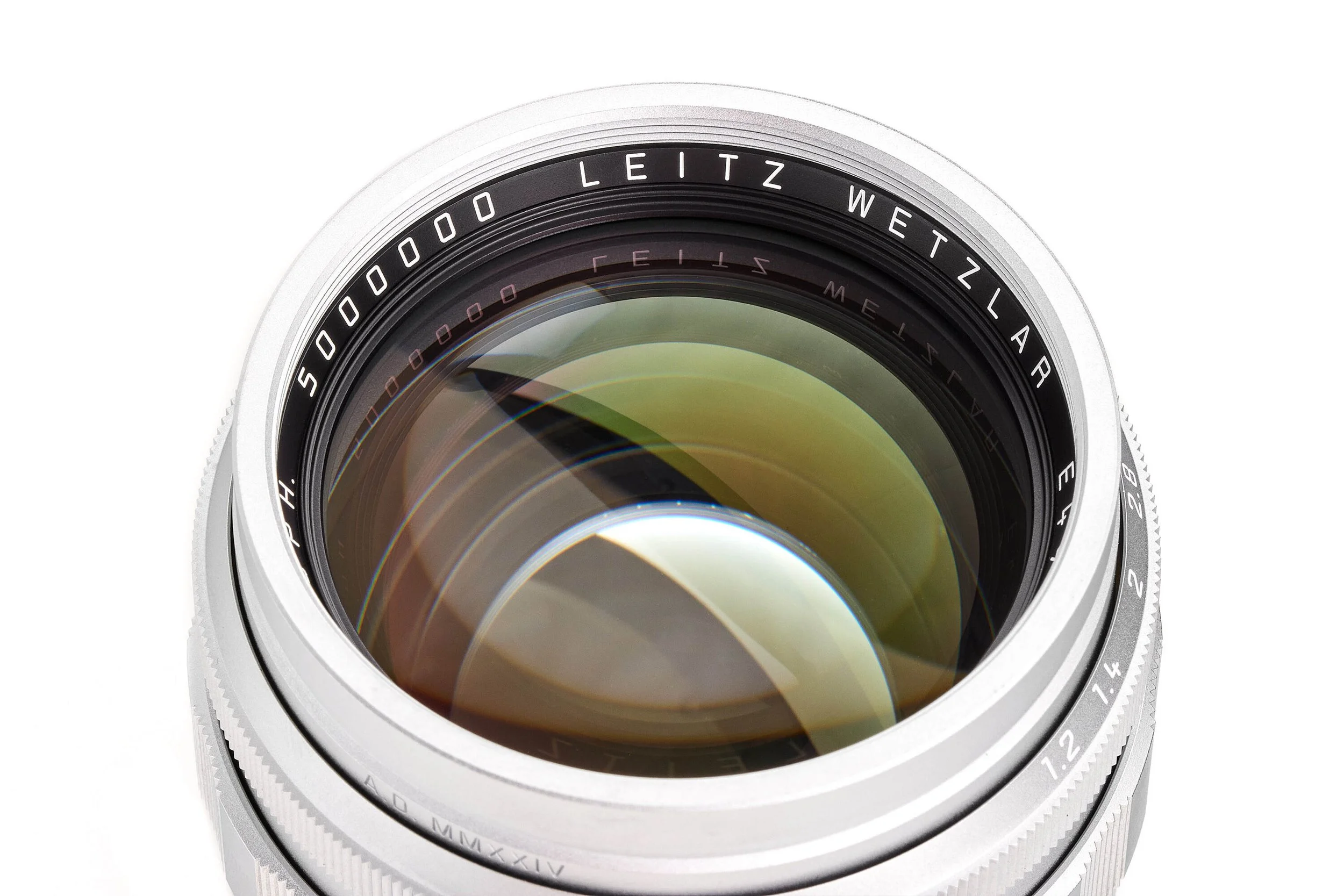
It was serial number 5,000,000.
And that number changes everything.
Serial Numbers, Symbolism, and the Leica Tradition
Leica has long reserved milestone serial numbers for extraordinary cameras presented to prominent figures.
Number 5,000,000 is exactly that: a symbolic marker in Leica’s manufacturing history.
In 2024, Leica presented this one-of-a-kind camera to Pope Francis in recognition of his humanitarian work.
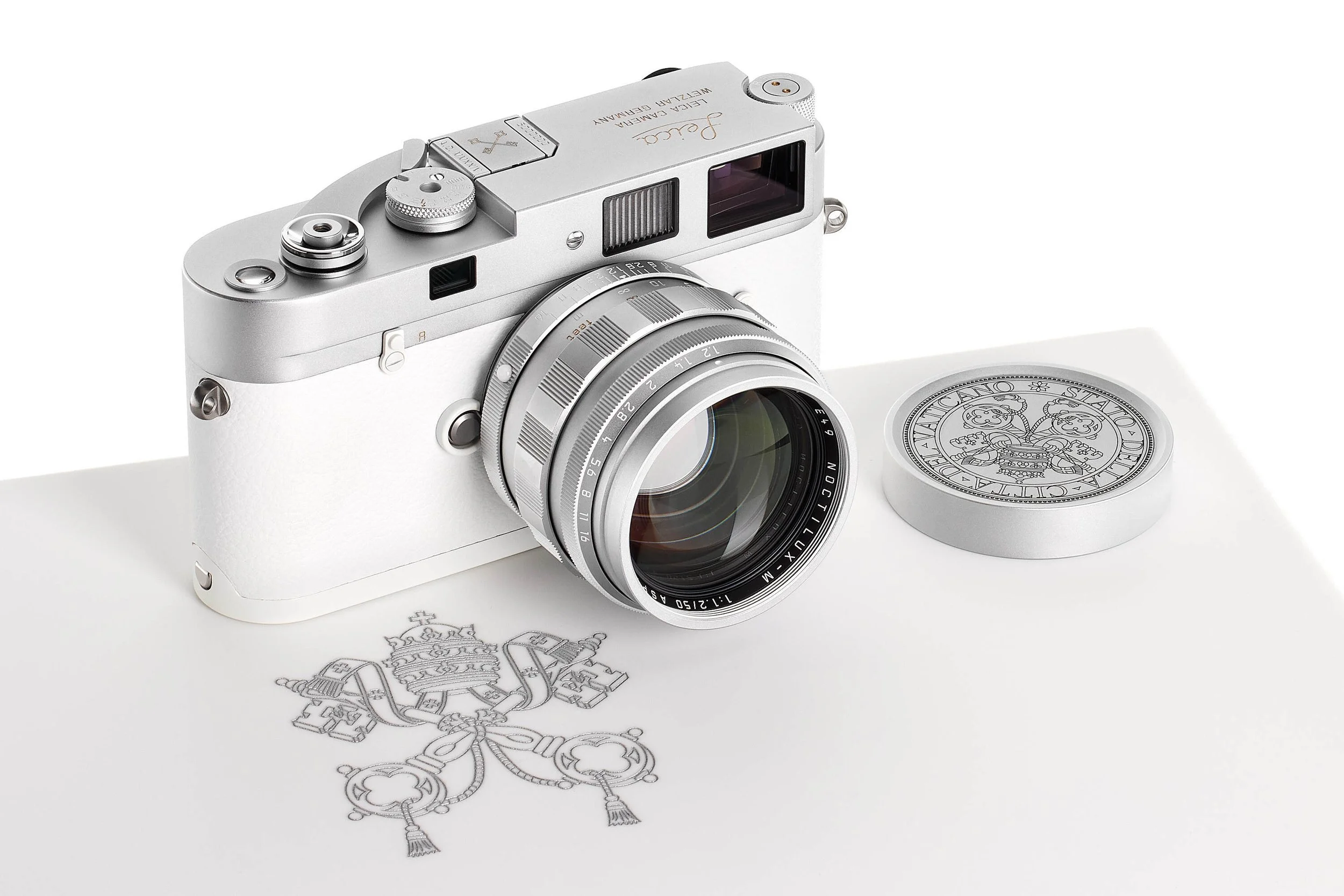
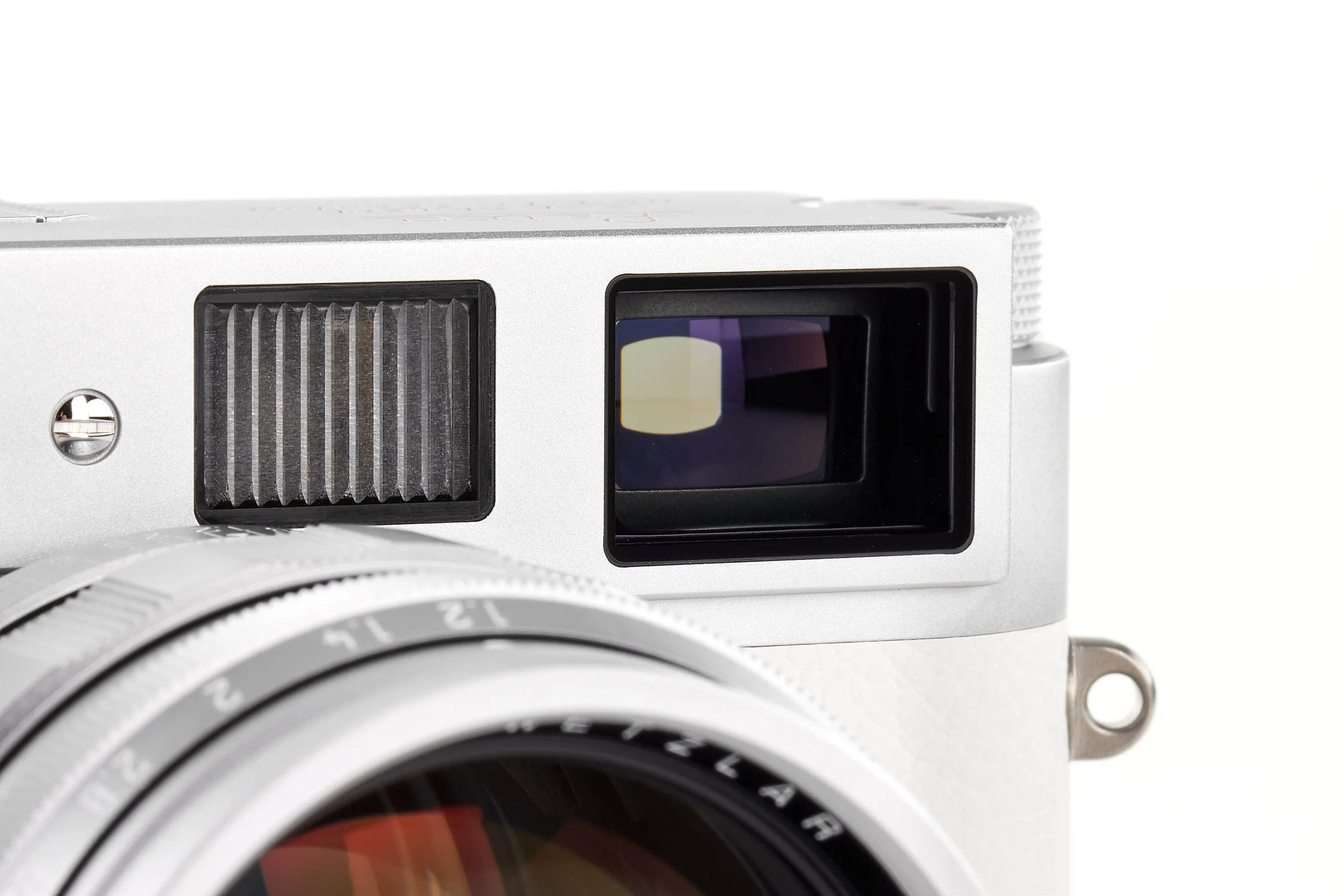
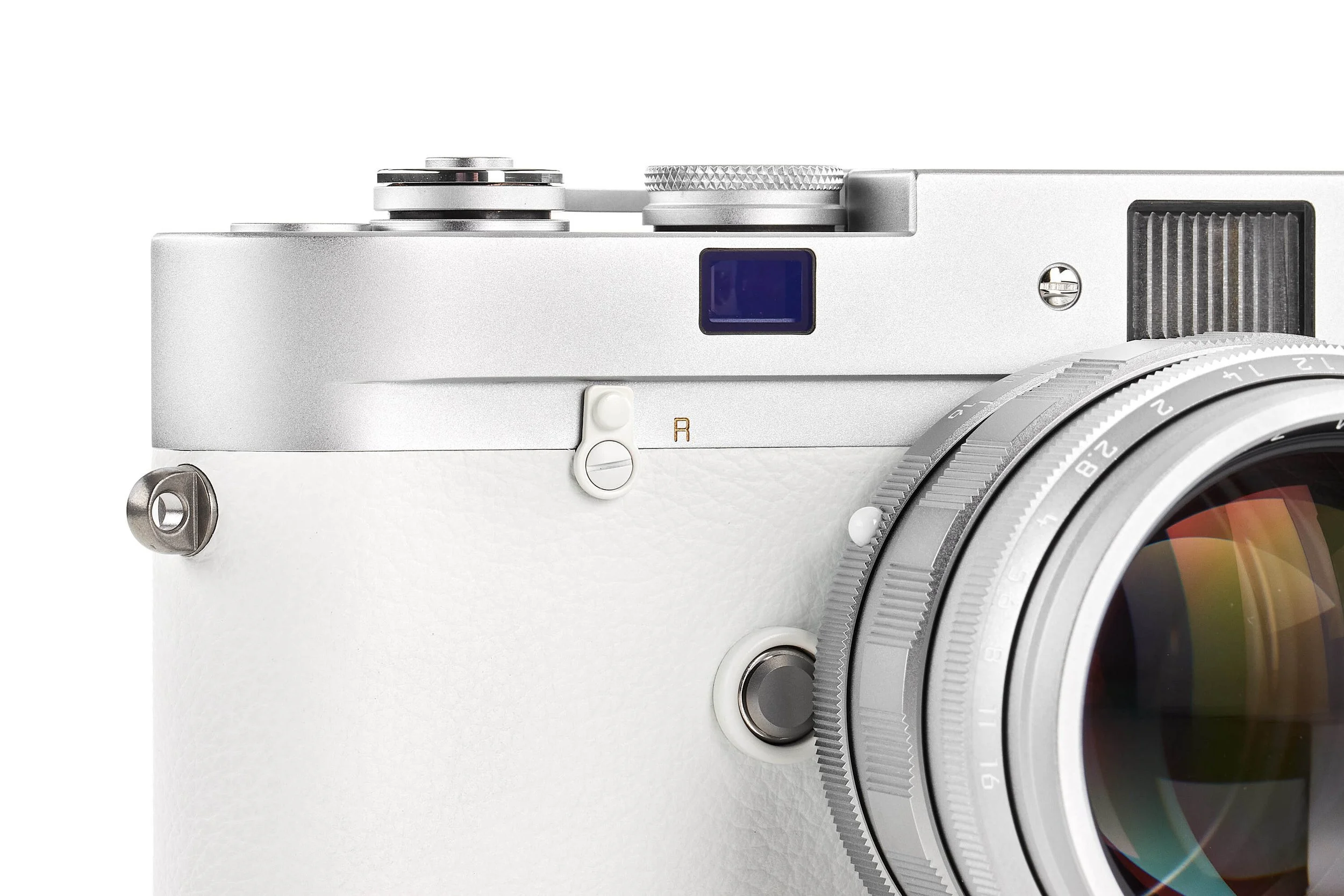
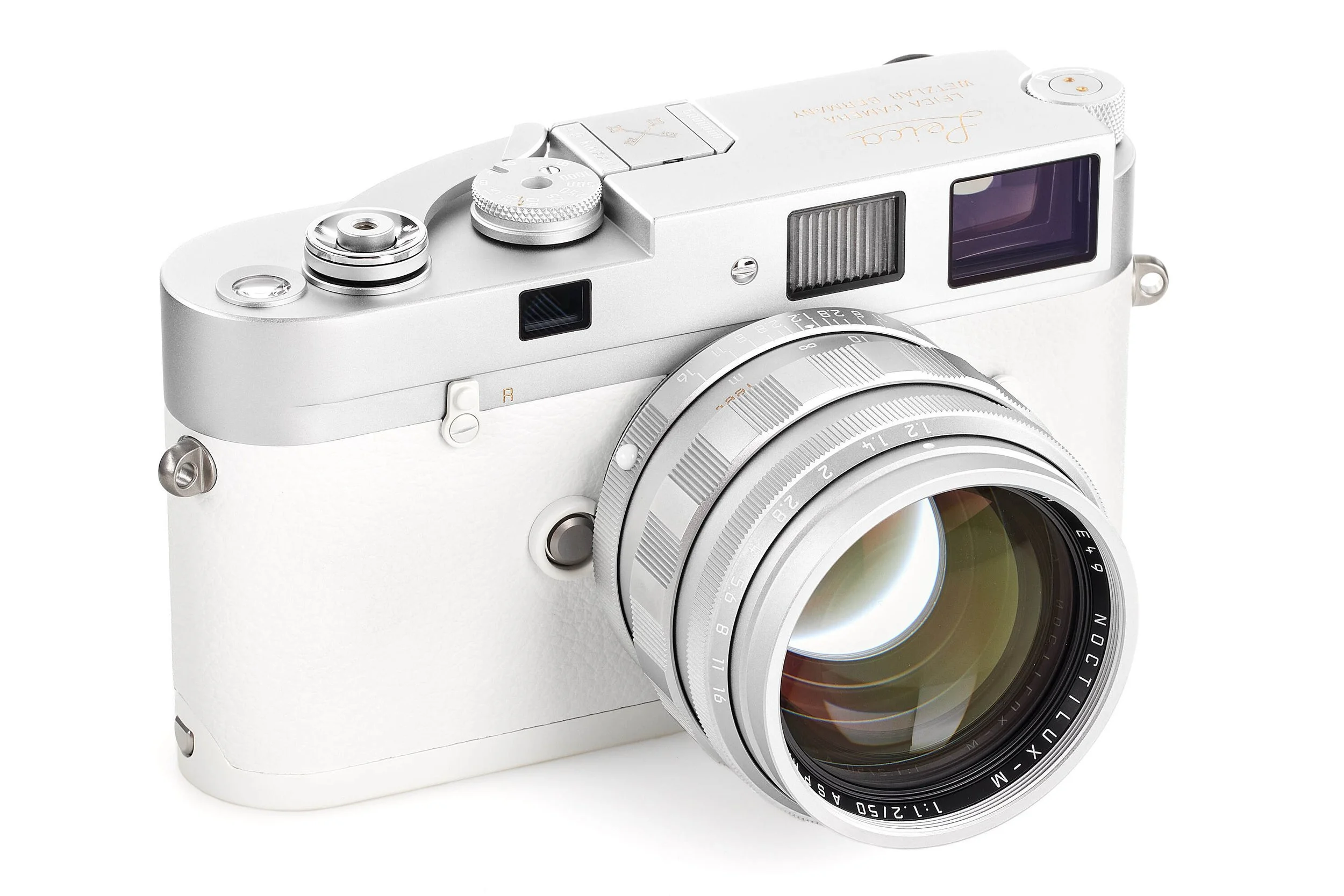
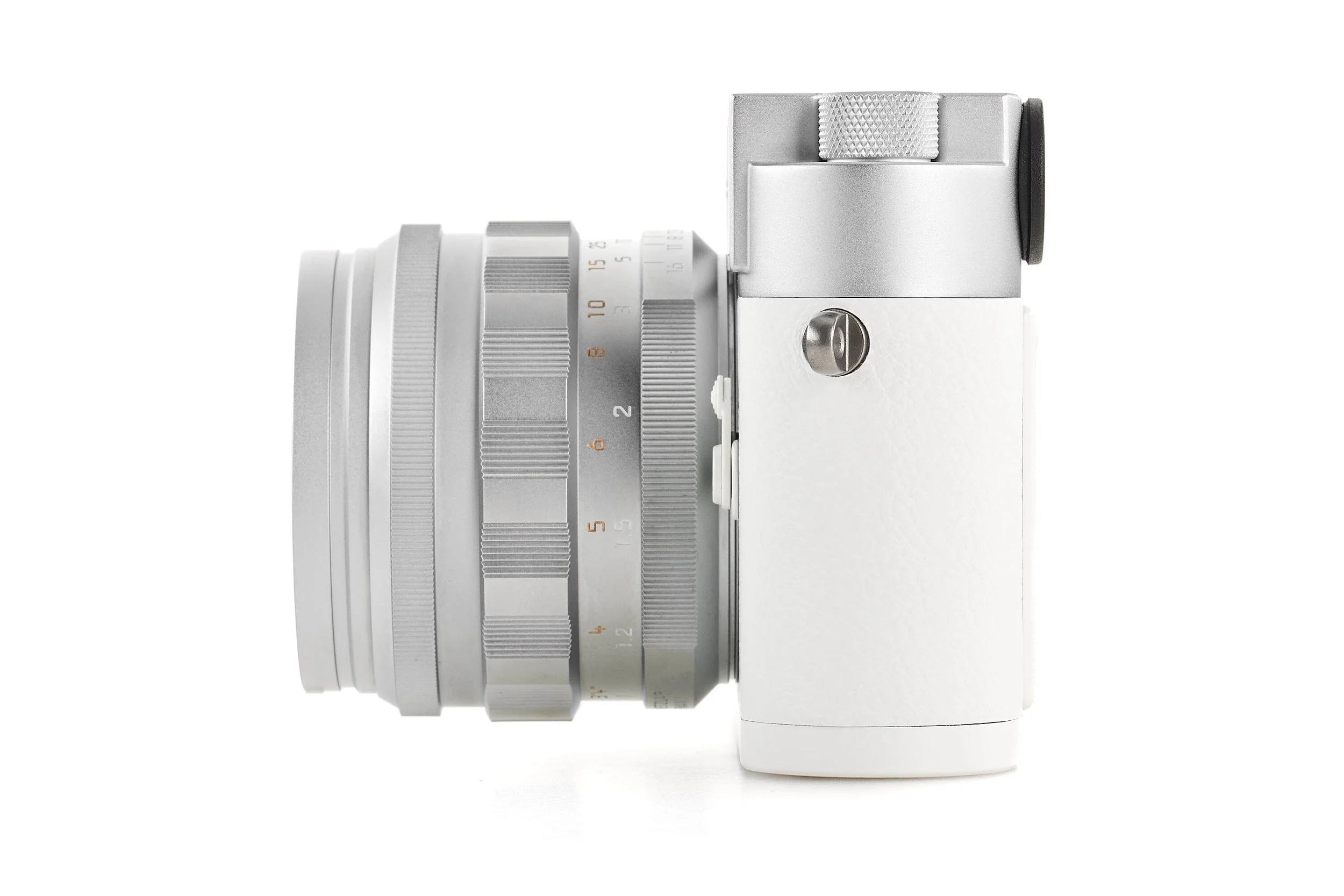
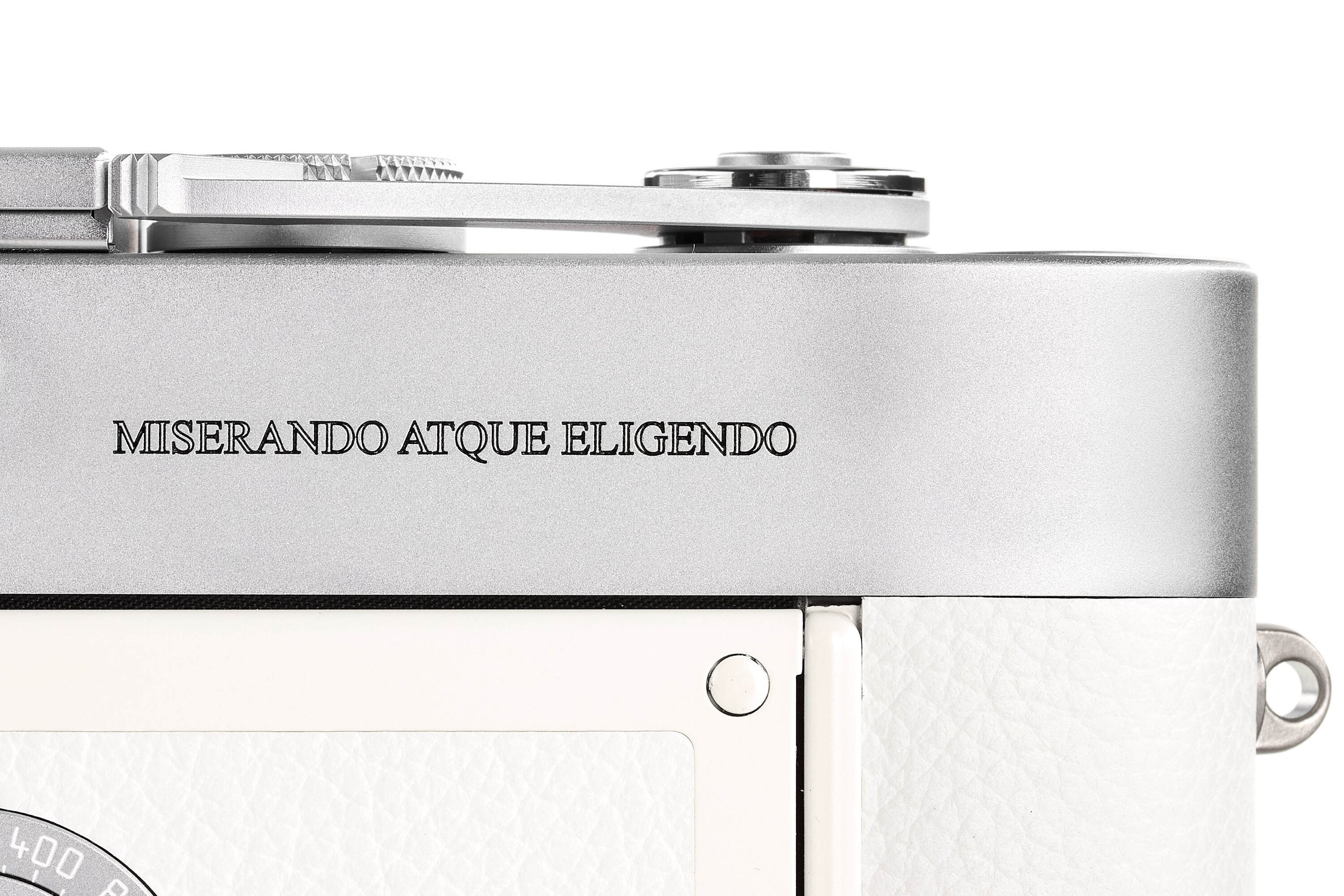
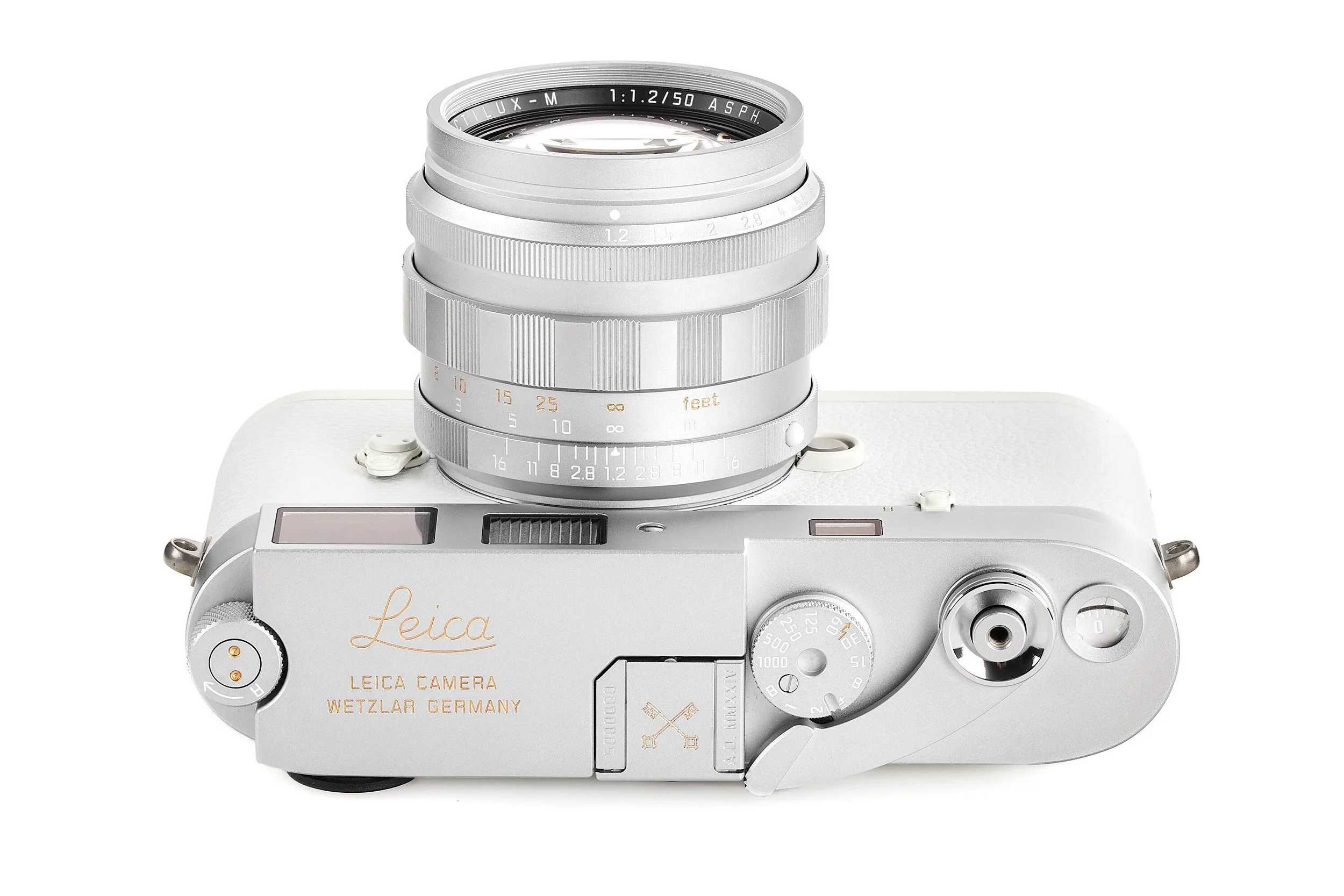
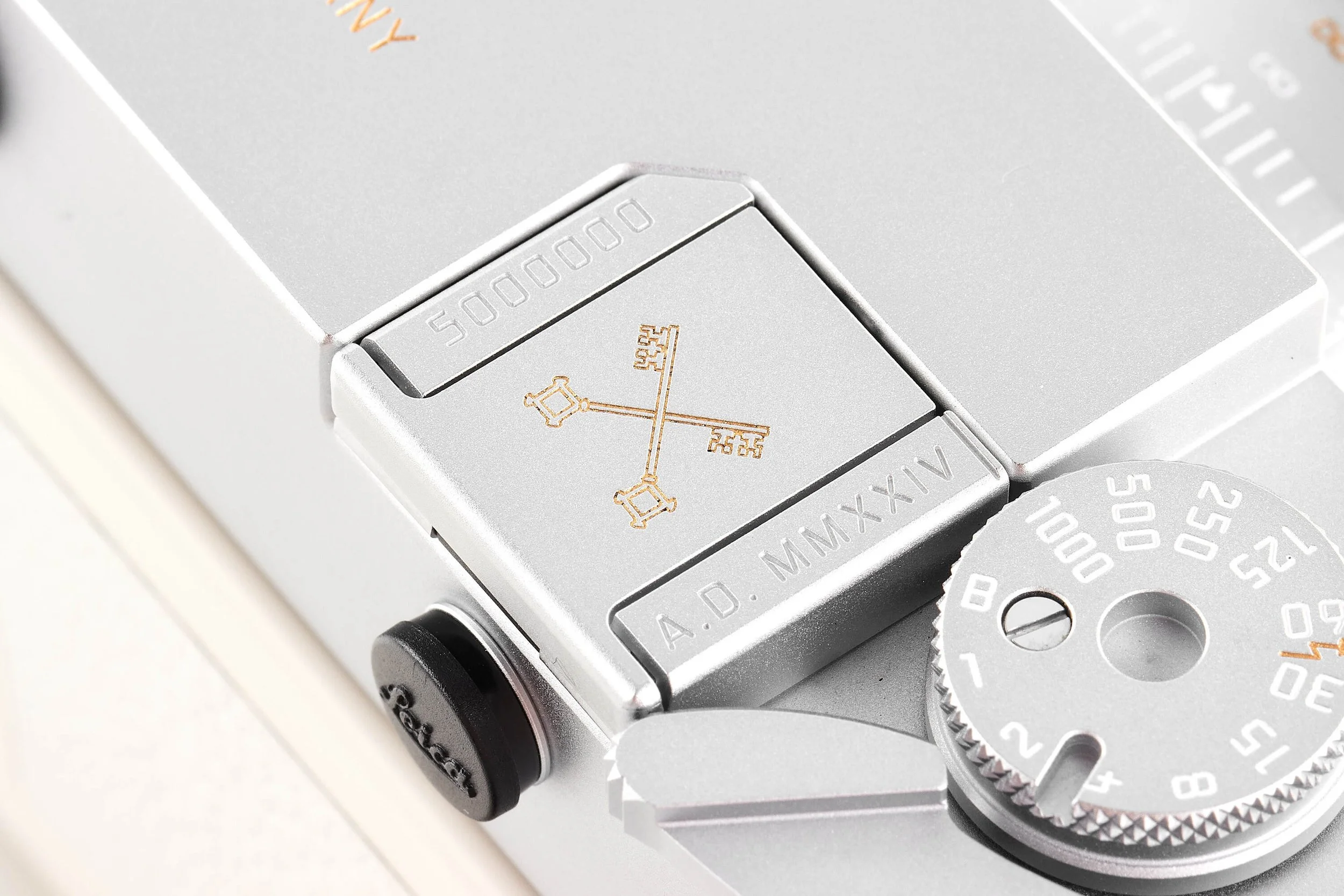
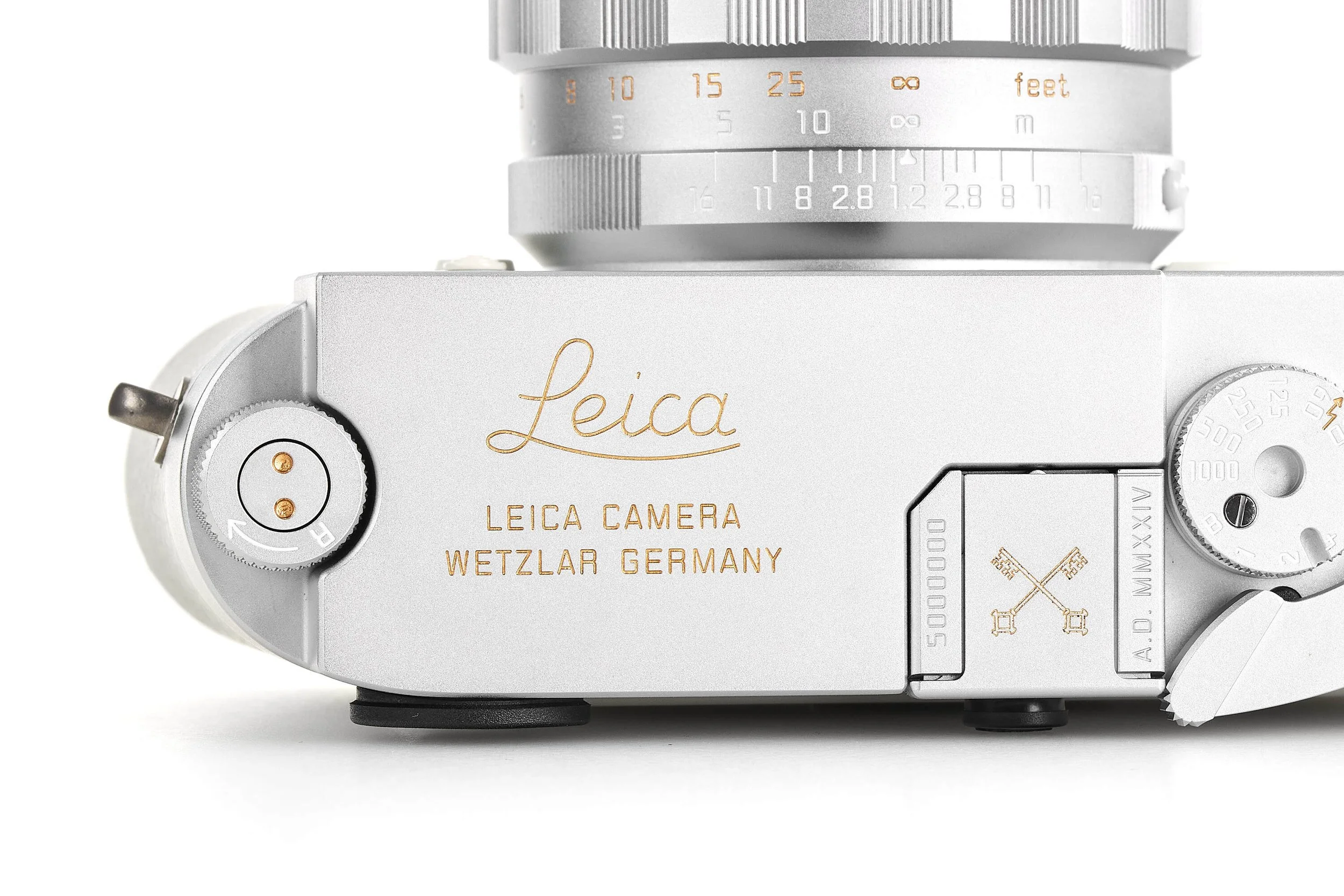
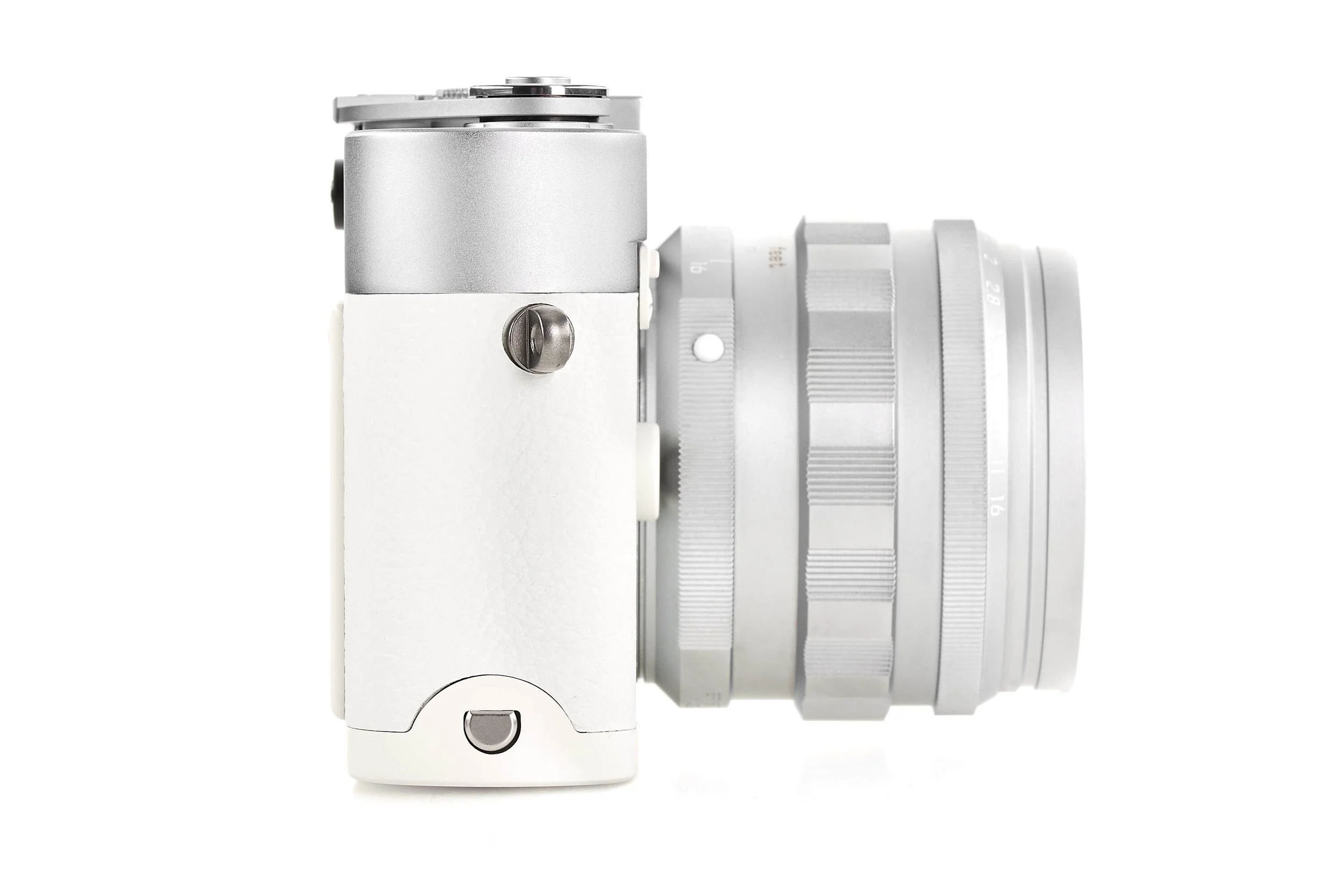
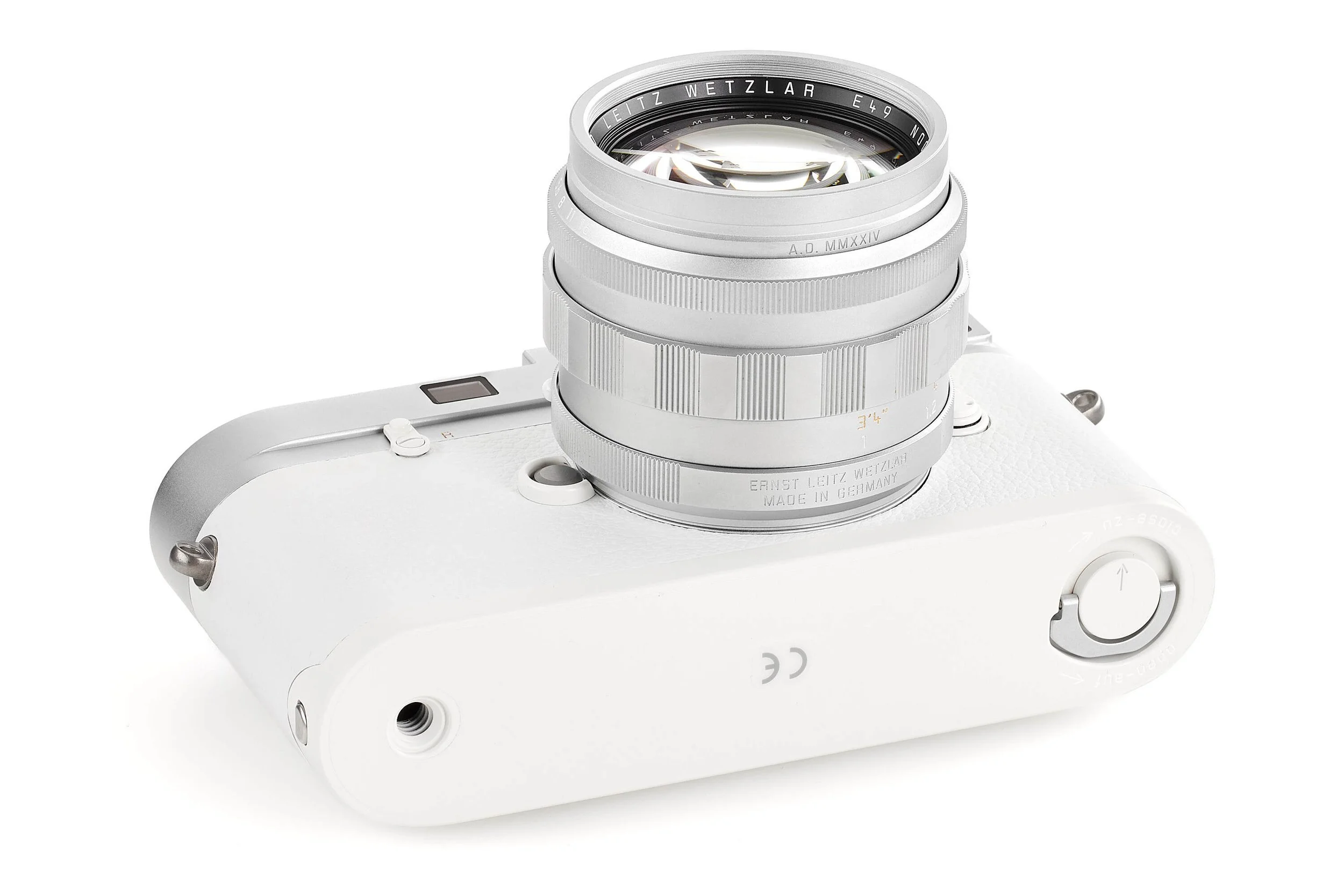
The camera itself is subtly but unmistakably different from a standard M-A.
It features:
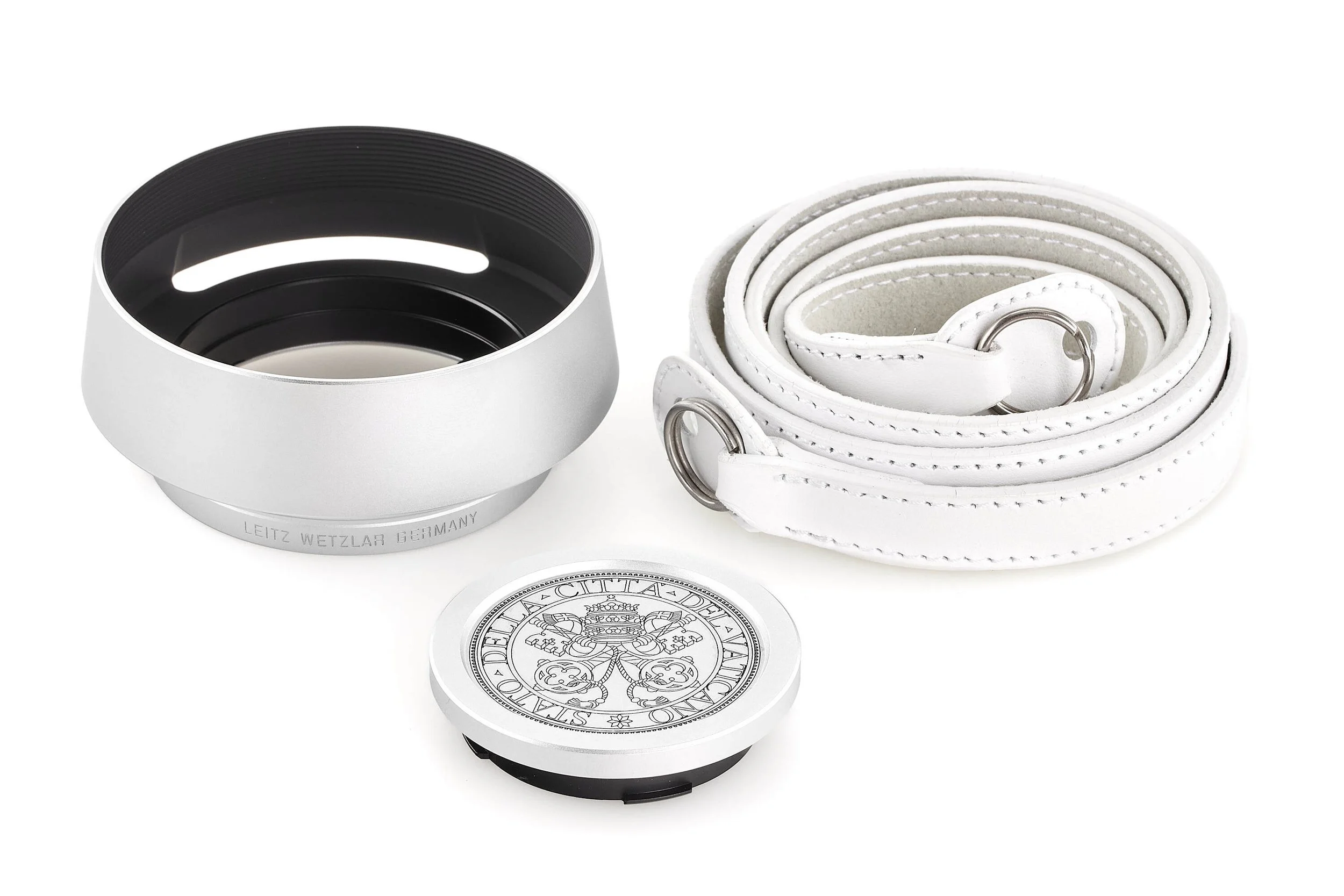
A silver-chrome body with white leather covering
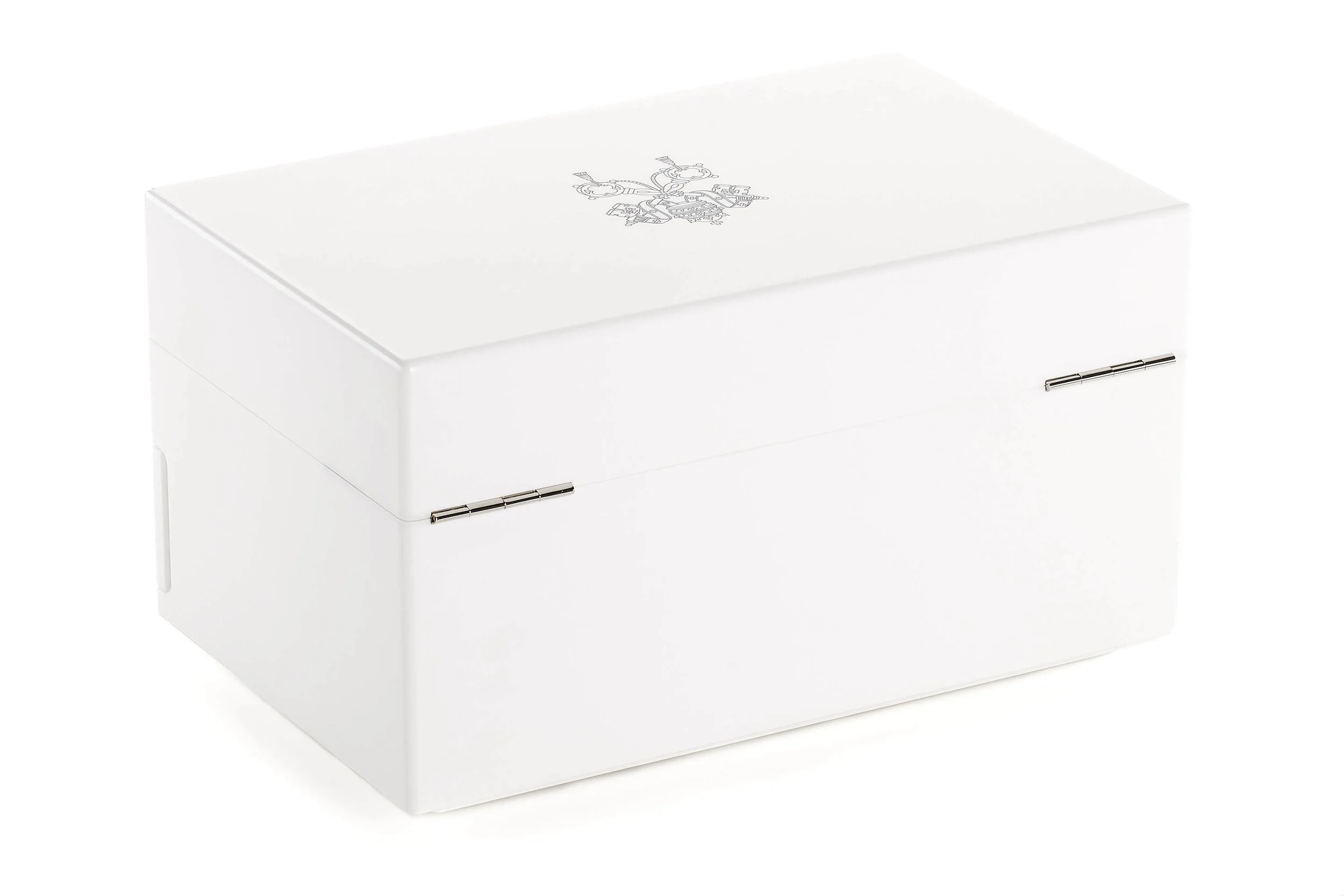
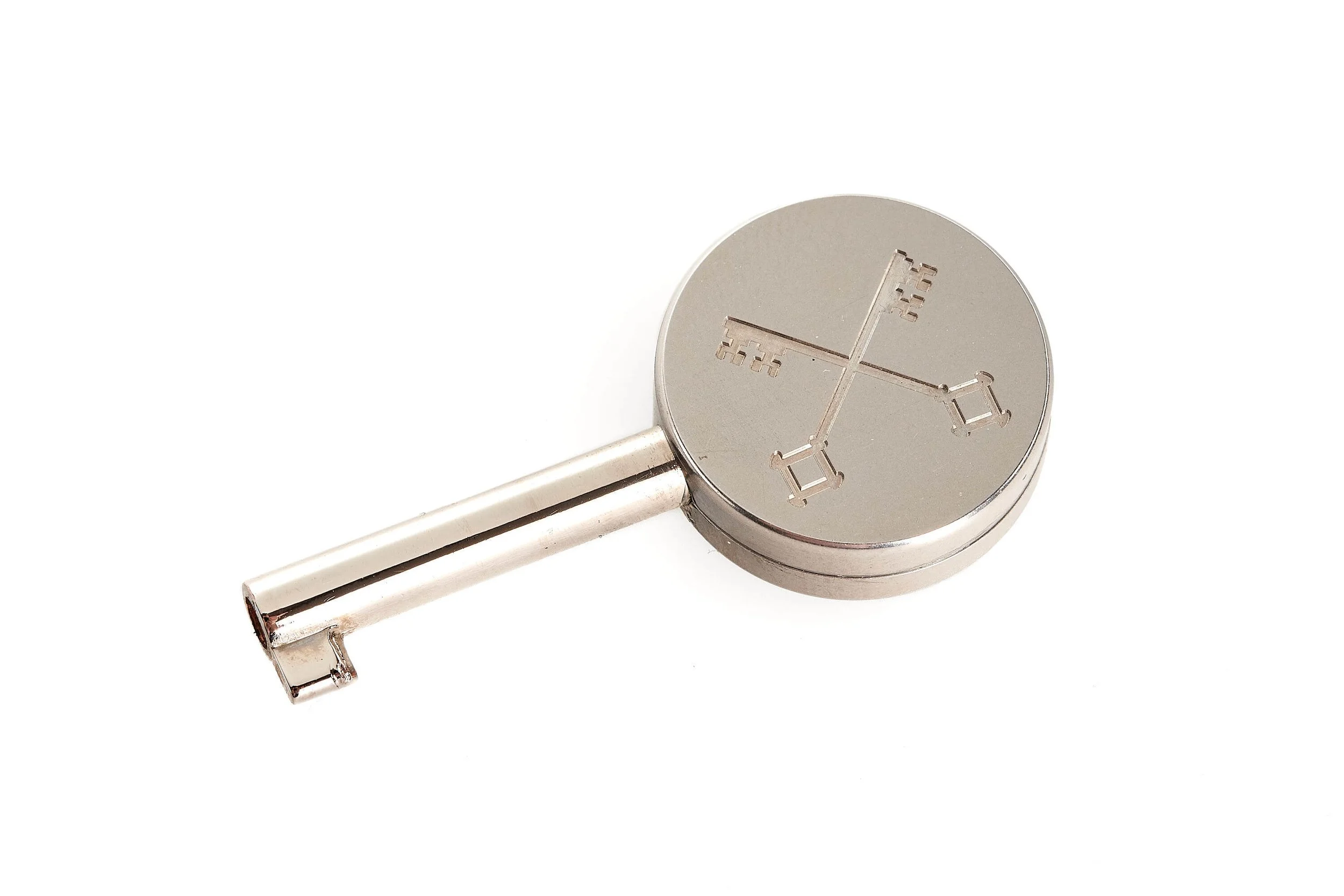
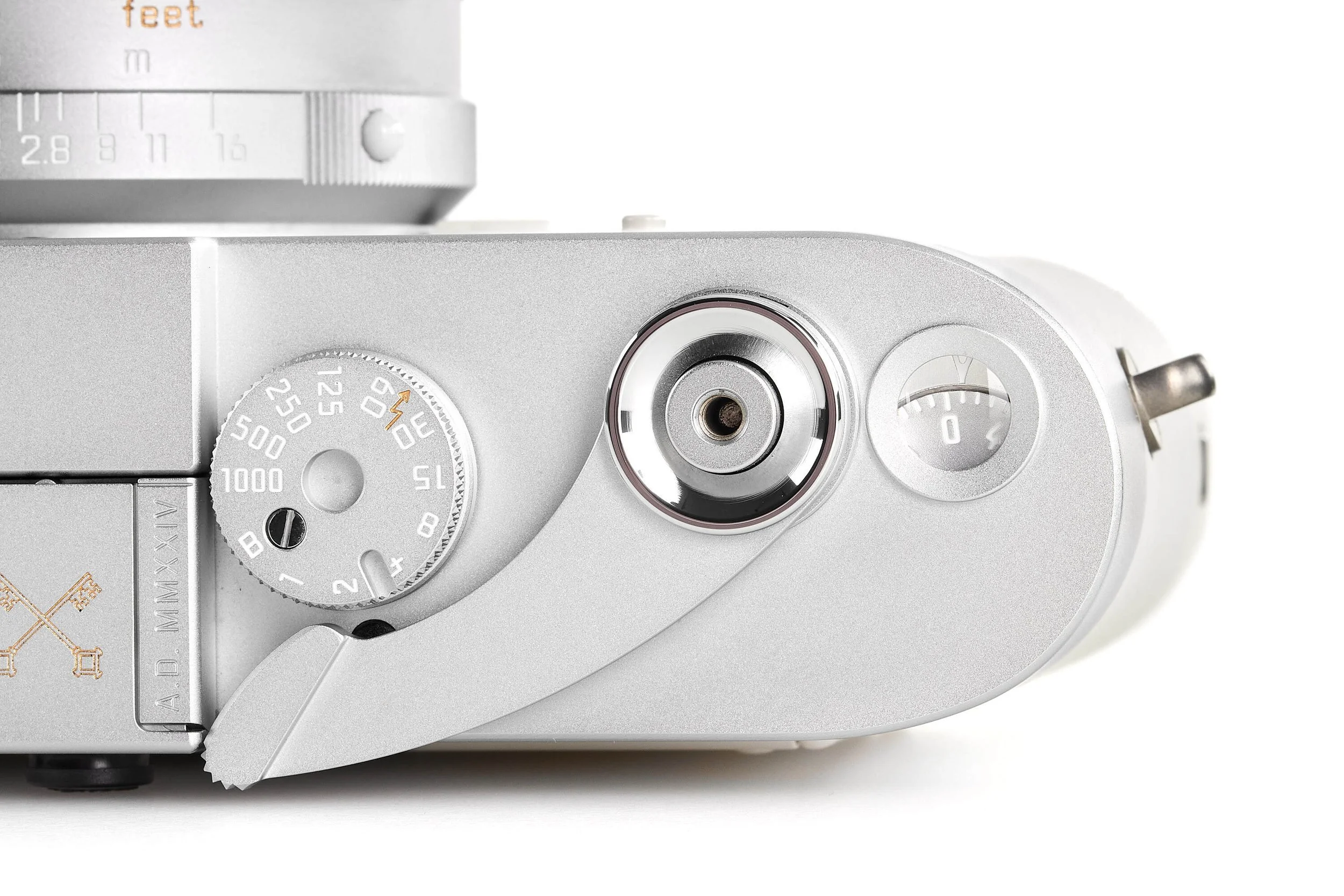
A flash-shoe engraving of the Keys of Peter
The Pope’s motto “Miserando atque eligendo”
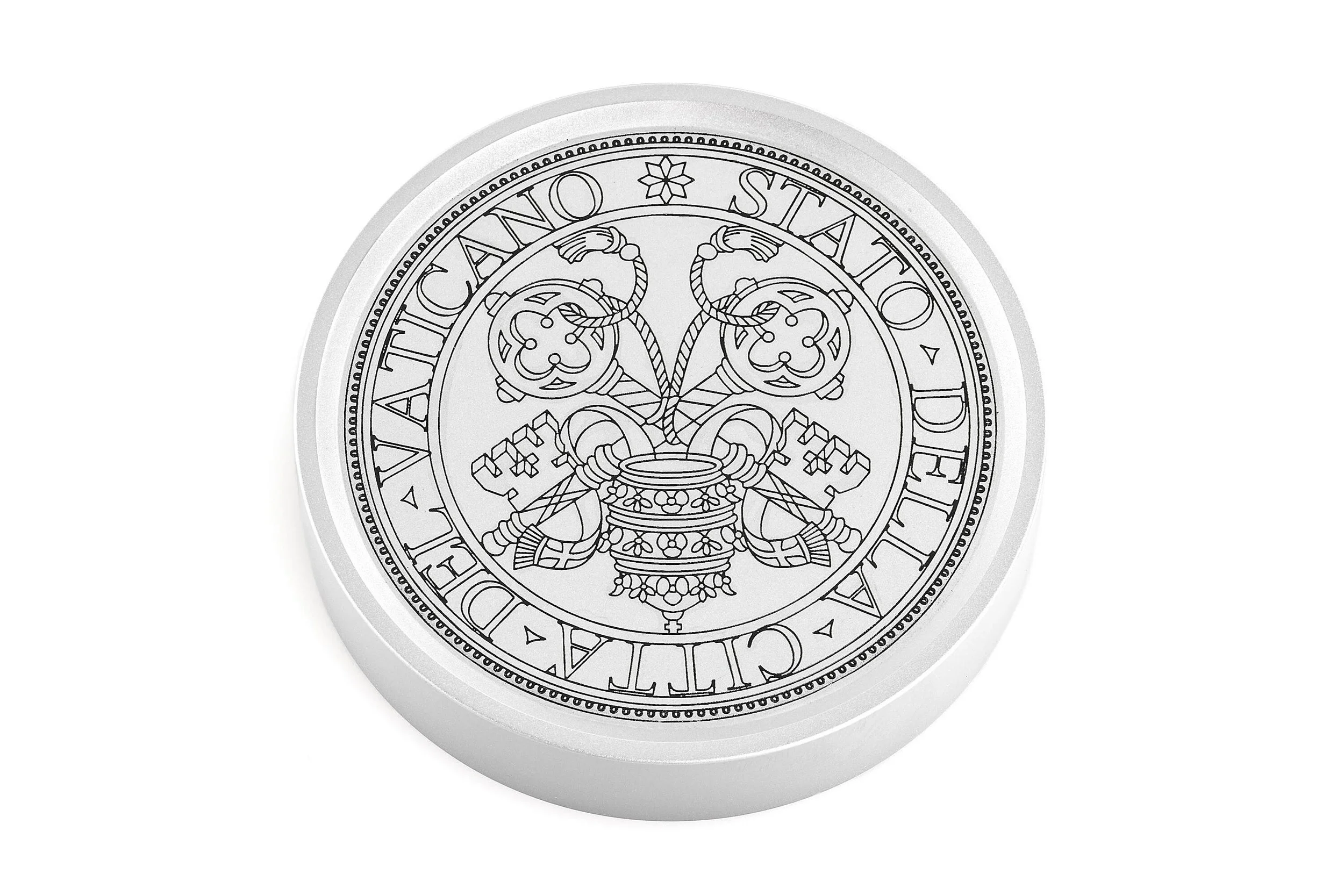
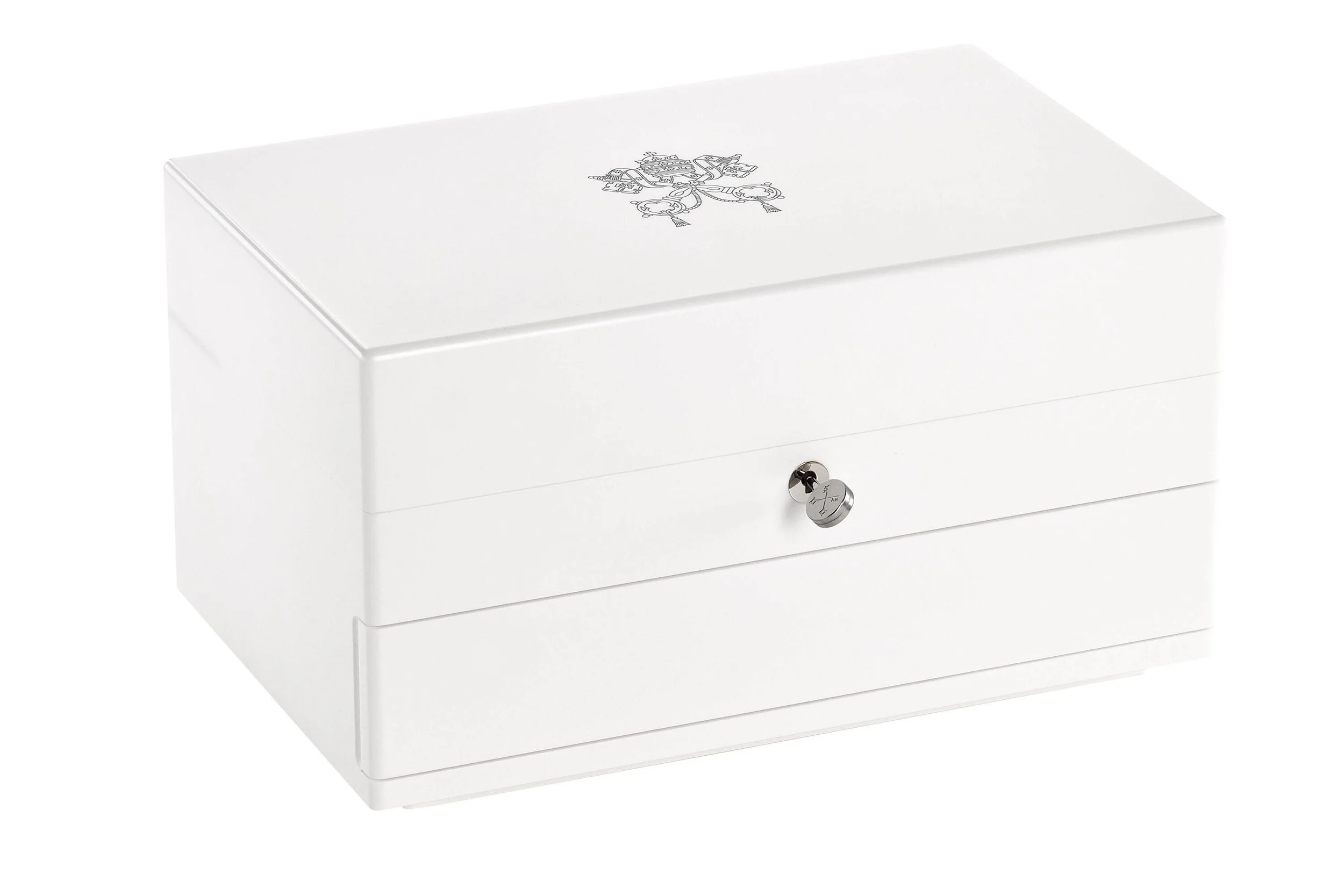
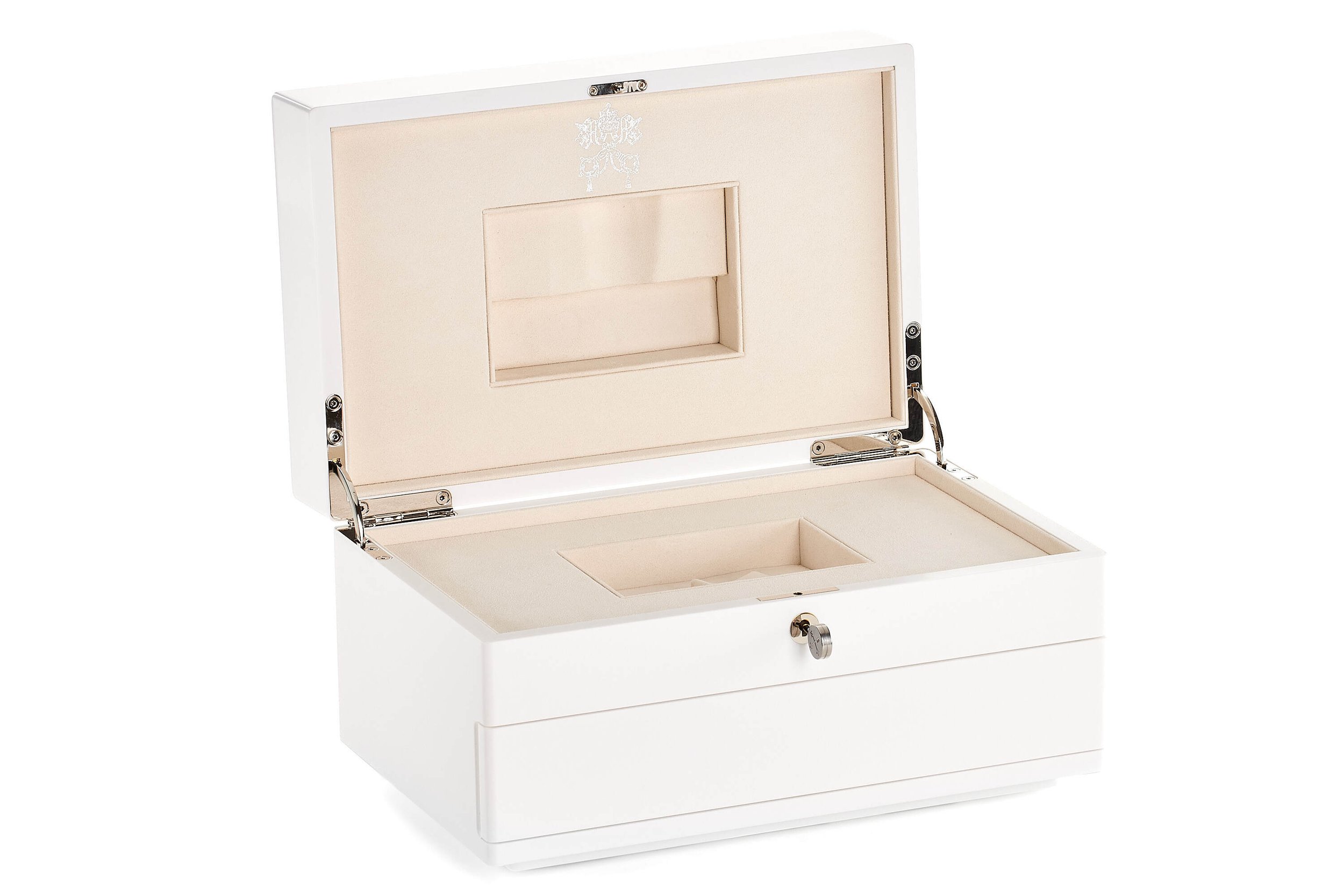
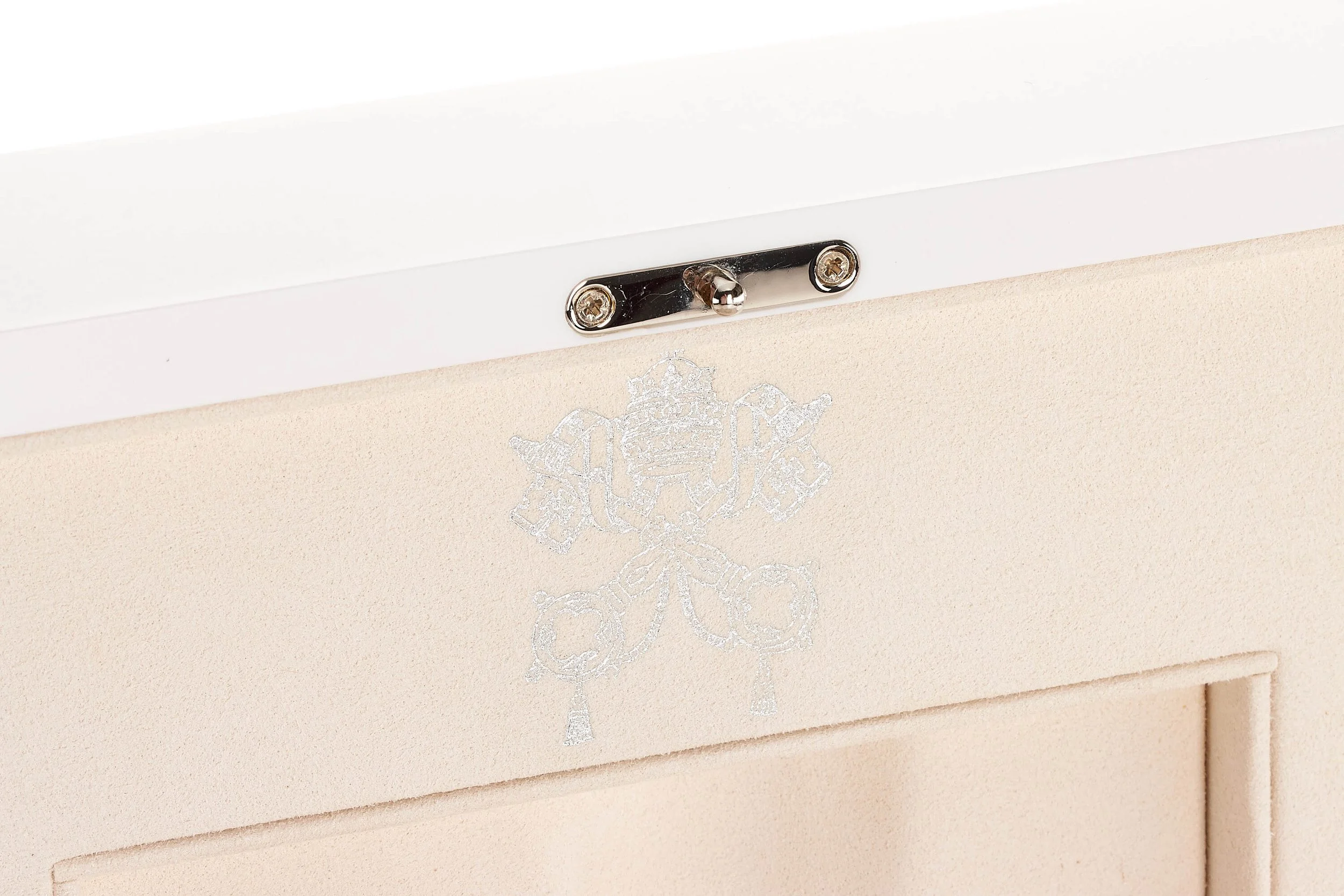
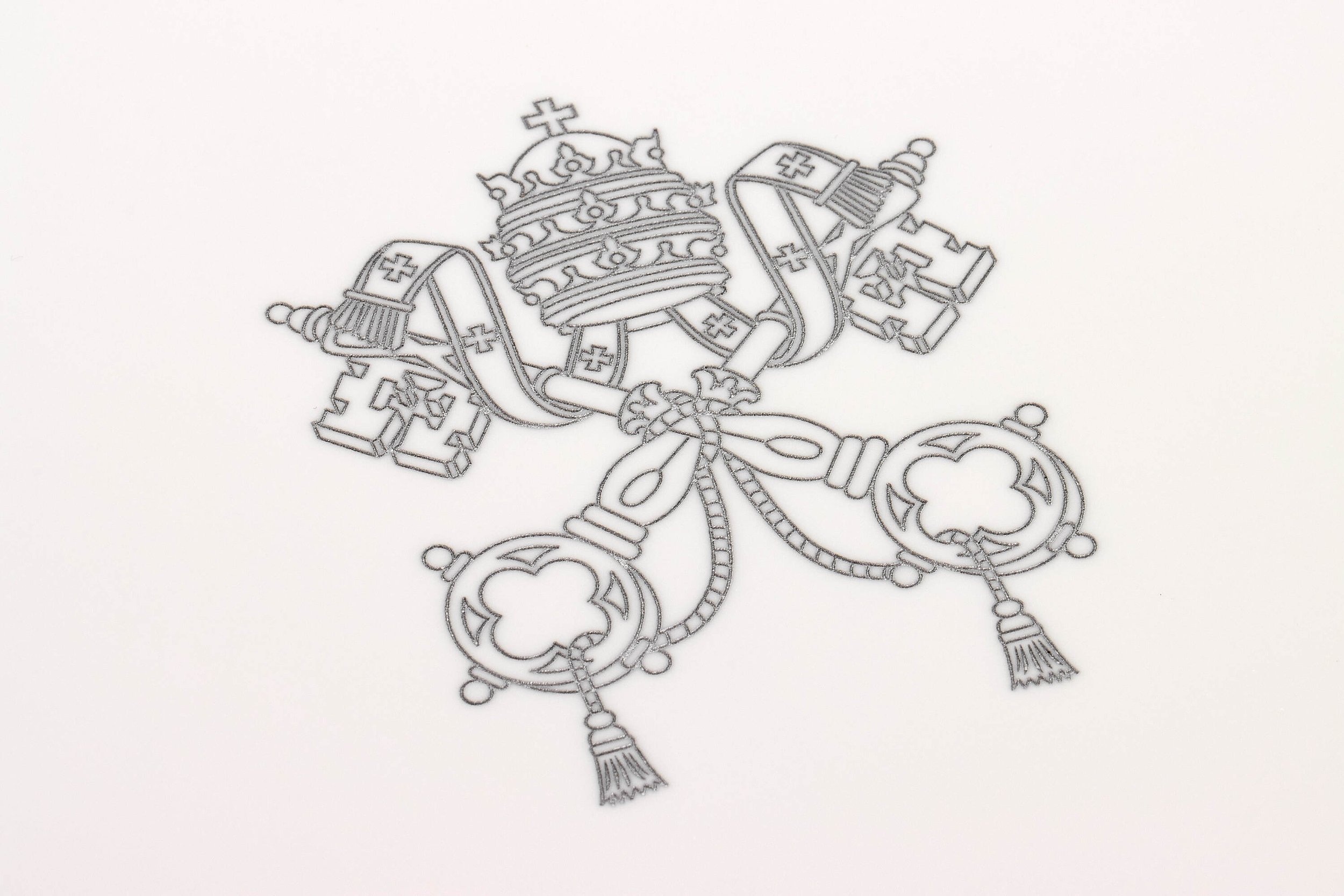
Vatican coat of arms engravings
Roman numerals marking the year A.D. MMXXIV
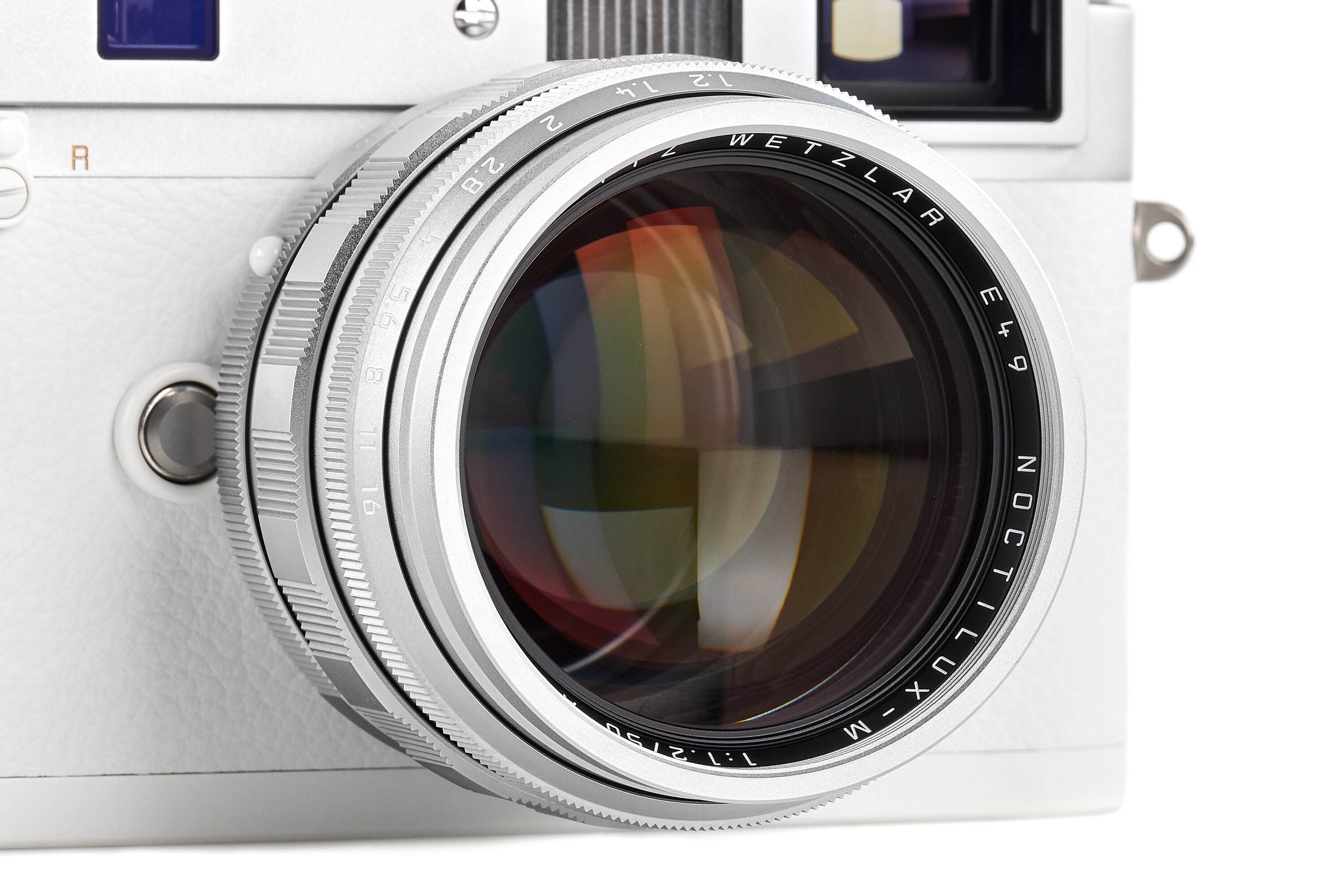
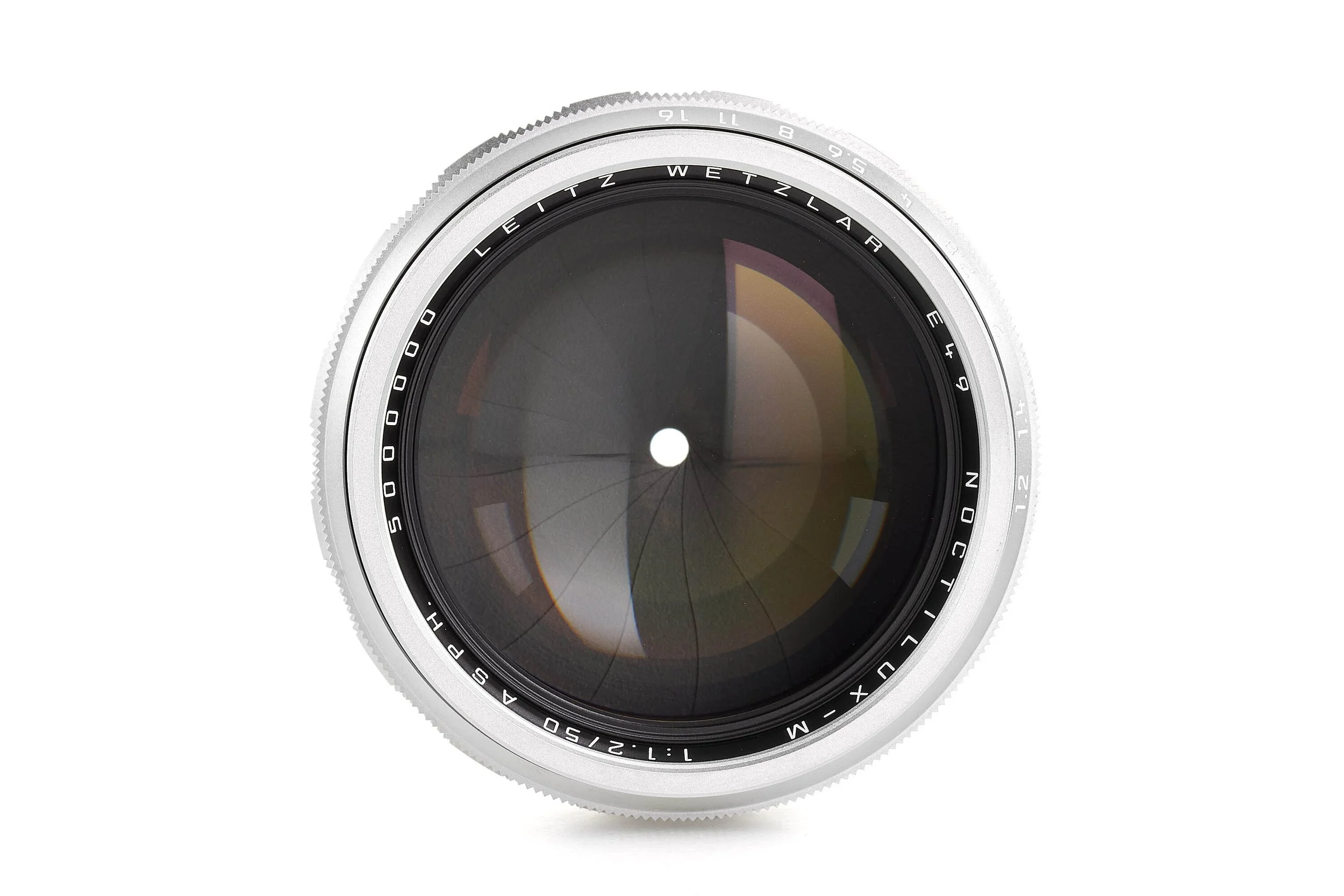
Even the accompanying Noctilux-M 50mm f/1.2 lens carries the same serial number — another symbolic detail that elevated the set into collector territory.
It was, in every sense, a ceremonial object.
But the story didn’t end there.
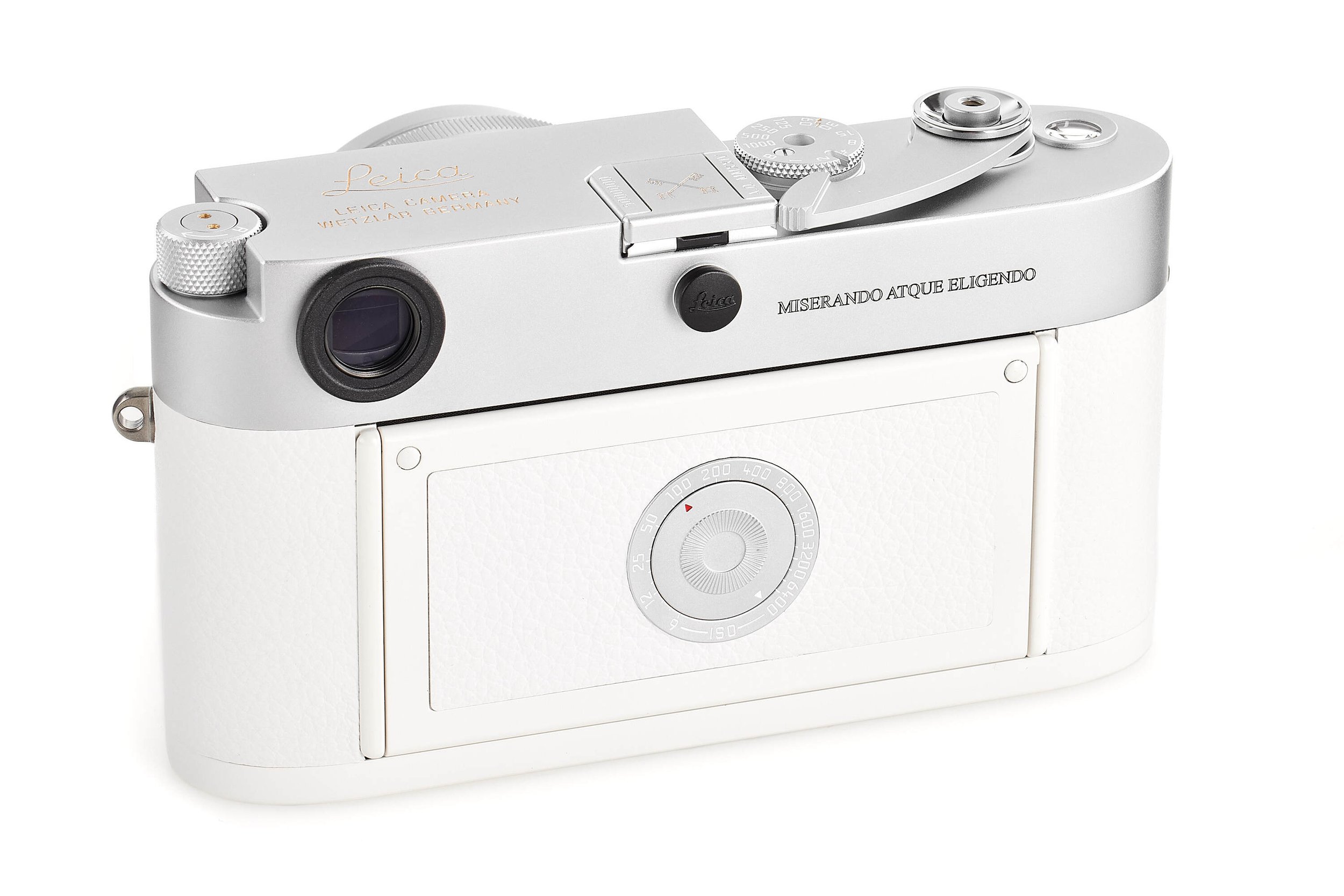
Image credit: leitz-auction
The Auction That Surprised Everyone
Following the death of Pope Francis in 2025, the camera was auctioned as a charity lot, with all proceeds directed to his charitable foundation.
Leitz Photographica Auction even waived its usual buyer’s premium so the entire €6.5 million could go to charity.
The bidding lasted only minutes, reportedly ending in a duel between two telephone bidders.
The final hammer price stunned the room.
A mechanical film camera — one you could buy new for around $6,300 — had just sold for more than a thousand times its retail value.
At that moment, the Leica M-A no. 5000000 became something else entirely.
It became a collectible artifact.
Leica’s Strange Relationship With Time
The curious thing about Leica is that its cameras often age differently than other technology.
Most consumer electronics depreciate rapidly.
But Leica cameras exist in a strange economic ecosystem where certain models — especially rare ones — appreciate dramatically.
Some have even reached eight-figure prices.
The most famous example is the 1923 Leica 0-Series prototype, which sold for over $16 million, making it the most expensive camera ever auctioned.
Those early cameras helped launch the entire concept of modern 35mm photography. The Leica I, introduced in 1925, proved that photographers didn’t need massive plate cameras to make serious images — a shift that would influence generations of photojournalists.
From that moment forward, Leica cameras became intertwined with the history of photography itself.
Henri Cartier-Bresson.
Robert Capa.
Garry Winogrand.
All of them carried Leicas.
And collectors today are not just buying machines.
They’re buying a connection to that lineage.
The Theater of the Leica Market
The sale of the Pope’s camera reveals something fascinating about the Leica collector ecosystem.
In many cases, provenance matters more than the camera itself.
Consider the ingredients that made this particular M-A extraordinary:
A symbolic serial number (5,000,000)
A unique design and engraving
Ownership tied to a major historical figure
A charity narrative connected to the Pope’s legacy
Individually, each factor might increase value.
Together, they created something almost irresistible to collectors.
The result was what auction houses call a narrative lot — an object whose story becomes inseparable from the object itself.
Are Leica Cameras Becoming Investments?
The obvious question is whether cameras — particularly Leica cameras — are entering the same realm as collectible watches, cars, or art.
Increasingly, the answer appears to be yes.
Over the past decade, Leica auctions have produced record prices with surprising regularity. Rare black-paint models, prototypes, and historically important cameras routinely sell for hundreds of thousands — sometimes millions.
Unlike many collectible markets, Leica benefits from three unusual dynamics:
1. Functional beauty
The cameras remain usable photographic tools.
2. Historical significance
Leica is deeply tied to the birth of modern photojournalism.
3. Limited production
Certain models exist in very small numbers.
Combine those elements with strong storytelling and you get something collectors understand very well: scarcity plus narrative.
What Happens Next?
The Pope’s Leica may prove to be a turning point.
It demonstrates that even modern Leica cameras — not just vintage ones — can achieve extraordinary collector value when paired with the right story.
Looking ahead, several trends seem likely.
More Narrative Cameras
Expect more special editions tied to cultural figures or historic events.
Institutional Collectors
Museums and foundations are increasingly entering the Leica market.
Leica as Luxury Object
Like high-end watchmakers, Leica has quietly become a maker of heritage objects as much as cameras.
Film’s Cultural Revival
Ironically, the resurgence of film photography among younger photographers may further elevate the cultural status of mechanical cameras.
A Camera That May Never Take a Photo
The most intriguing detail about the Pope’s Leica is that it may never have exposed a single frame of film.
And yet it captured something far more unusual:
A moment where craftsmanship, history, symbolism, and philanthropy converged in a single object.
In photography, we talk endlessly about the decisive moment.
But in Vienna that evening, the decisive moment belonged not to a photographer —
but to the sound of an auctioneer’s hammer.
And to a camera that proved, once again, that Leica doesn’t just make cameras.
Sometimes, it makes history.